The agricultural landscape in Africa is at a tipping point. With climate change-induced droughts becoming more frequent and arable land becoming a luxury due to rapid urbanization, the traditional “wait for the rain” model is no longer a viable business strategy.
To build a resilient food system, we must move from reactive farming to proactive precision. At Agrifity, we believe the answer lies at the intersection of biology and technology: IoT-Enabled Aquaponics.
The Efficiency Crisis: Why Water Matters
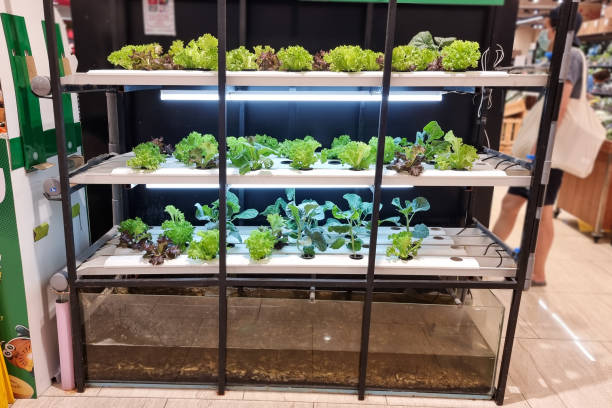
Traditional agriculture accounts for nearly 70% of freshwater withdrawals globally. In regions where water is scarce, this creates a ceiling on growth. Aquaponics—a system that combines aquaculture (fish farming) and hydroponics (soilless plant cultivation)—breaks this ceiling by using a closed-loop system that recycles 90% of its water.
But the real “game-changer” isn’t just the water savings; it’s the intelligence behind the system.
Integrating the “Brain”: The Role of IoT
An aquaponic system is a delicate biological balance. If the ammonia levels from the fish become too high, the plants suffer. If the pH fluctuates, the fish are at risk. Historically, this required constant manual testing and high expertise.
By integrating IoT (Internet of Things) sensors, we remove the “human error” factor:
Real-Time Monitoring: Sensors track dissolved oxygen, pH, temperature, and nitrate levels 24/7.
Automated Alerts: Farmers receive instant notifications on their smartphones the moment a parameter shifts, allowing for intervention before a loss occurs.
Data-Driven Yields: Over time, AI analytics identify the exact “sweet spot” for growth, maximizing harvest cycles and increasing profitability.
Why Investors and Commercial Farmers are Switching
Dual Revenue Streams: One system produces two high-value products—premium protein (Tilapia, Catfish) and organic produce (leafy greens, herbs, tomatoes).
Zero Chemical Input: The fish waste provides all the nutrients the plants need. This eliminates the rising costs of synthetic fertilizers and appeals to the growing “clean food” market.
Climate Resilience: Because the environment is controlled and monitored, “farming seasons” become a thing of the past. You can produce high-quality food 365 days a year.
The Bottom Line
The future of food security in Kenya and across the continent depends on our ability to grow more with less. By merging the natural efficiency of aquaponics with the precision of IoT, we aren’t just farming—we are engineering a sustainable, profitable, and drought-proof future.
The question is no longer if technology will change farming, but how fast you will adapt to the shift.
Are you ready to lead the AgTech revolution? Connect with Agrifity today to explore our IoT-integrated farming solutions and see how we can transform your agricultural output.